The National Institute for Occupational Safety and Health (NIOSH) has released a serious injury investigation report titled, “Volunteer Firefighter Seriously Injured After Fall From Aerial Platform During Vertical Ventilation Operations – Wyoming.”
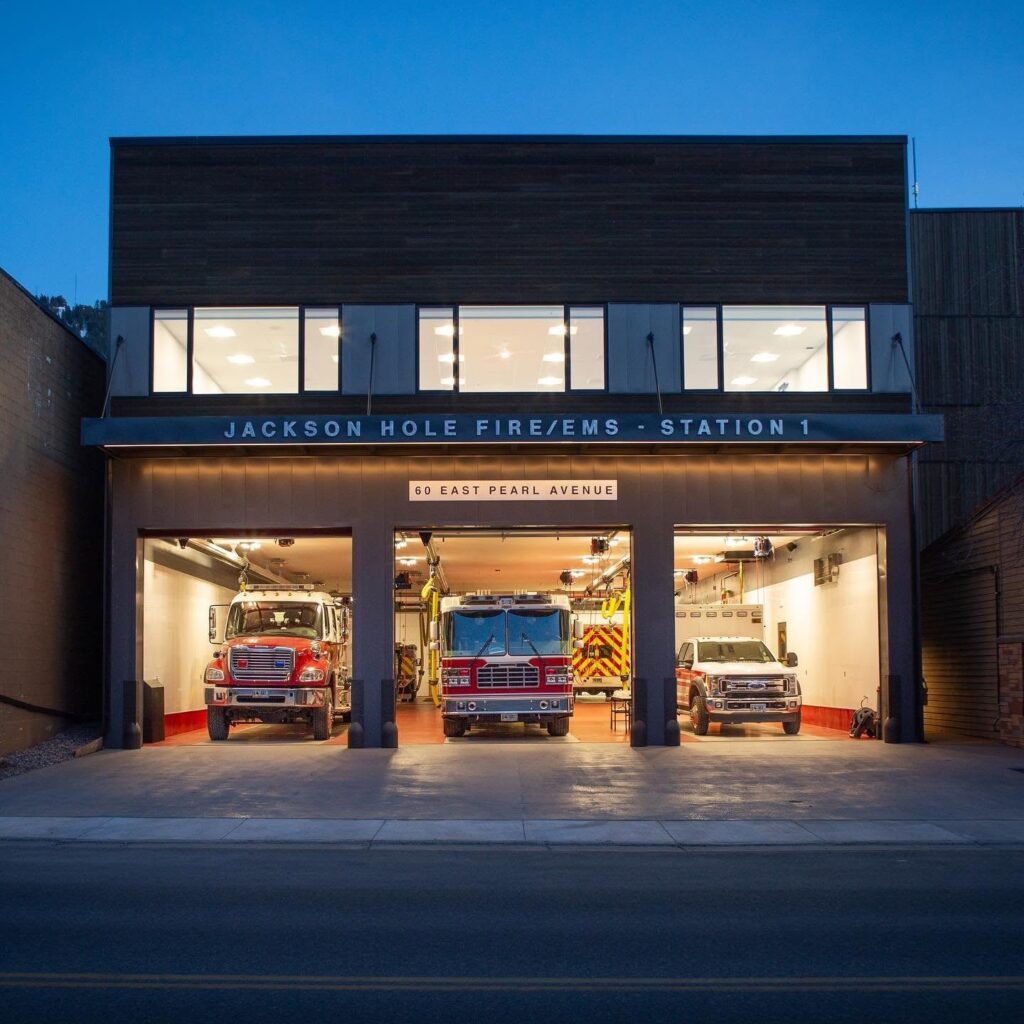
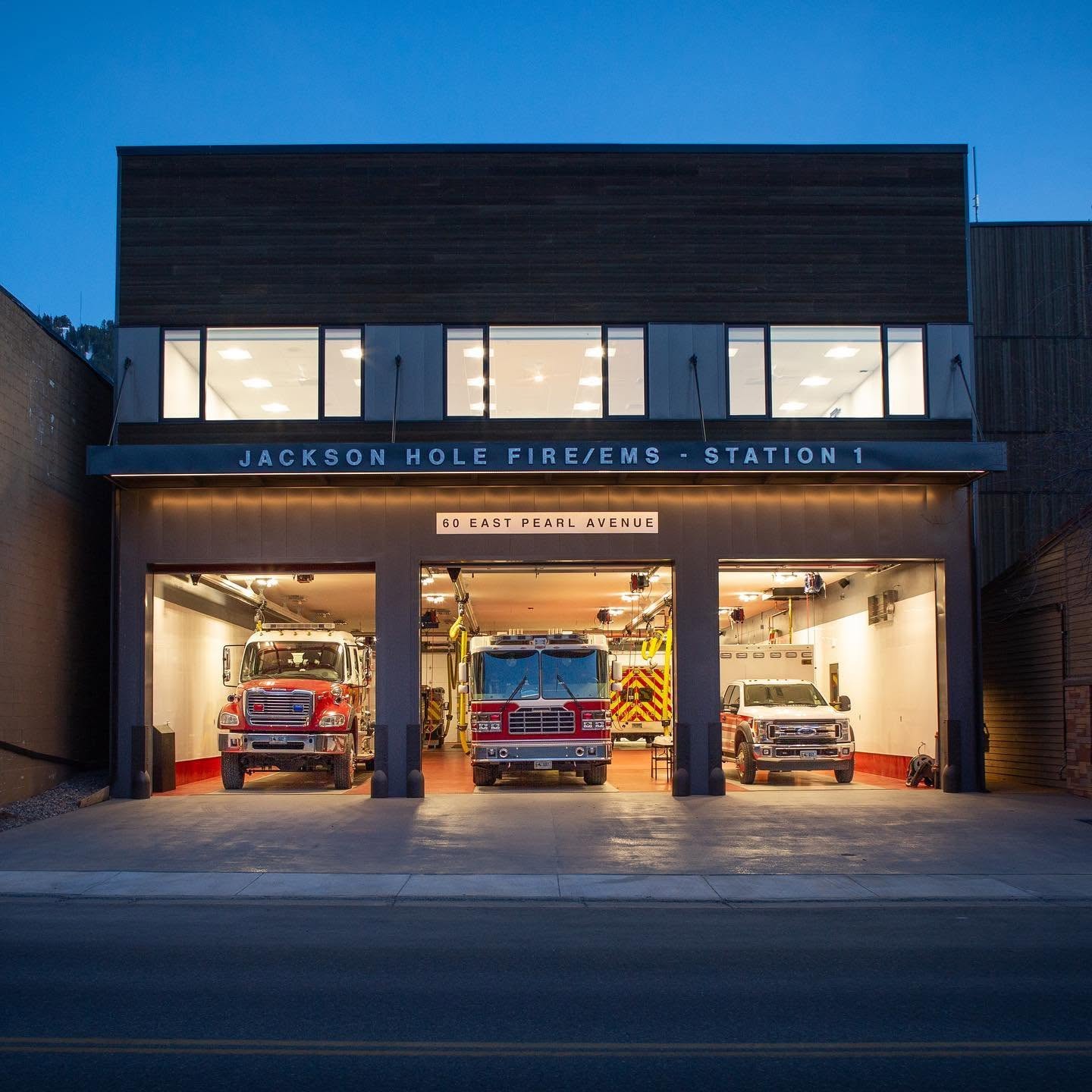
The investigation was initiated voluntarily by Jackson Hole Fire/EMS (JHF/EMS) following a firefighter injury that occurred during a structure fire response in Wilson.
“We have benefitted from NIOSH reports over the years and saw this as an opportunity to share important lessons learned with the fire service community,” said Fire Chief Mike Moyer.
The report examines an incident on May 25, 2026, in which a JHF/EMS firefighter sustained serious injuries after falling approximately 20 feet while conducting vertical ventilation operations at a commercial structure fire. The firefighter suffered fractures to the lower leg and heel after losing footing on a steep roof while transitioning from an aerial platform.
NIOSH identified several factors that contributed to the incident, including the firefighter’s exit from the aerial platform during roof operations, challenges associated with risk assessment and scene size-up, training and competency needs related to specialized truck company functions, and the importance of continued emphasis on operational risk management. The report also noted that fire department notification was delayed because the building was not equipped with a monitored fire detection system.
As part of its findings, NIOSH recommended that fire departments utilize appropriate fall protection systems during aerial operations, conduct thorough risk-versus-benefit evaluations before committing personnel to high-risk tasks, strengthen training and professional development programs, reinforce operational risk management practices, and
regularly review standard operating procedures.
The report also highlighted several positive actions taken during the incident, including the early request for mutual aid resources, effective apparatus placement, and the rapid deployment of a dedicated Rapid Intervention Team.
In the months following the incident, JHF/EMS implemented a safety stand-down focused on vertical ventilation operations, began developing a truck company task book to standardize training and competencies, and initiated a comprehensive review of
operational procedures.
“The findings in this report underscore the importance of continual training, sound decision-making, and a strong safety culture,” said Moyer. “We appreciate the thorough work conducted by NIOSH and remain committed to learning from this incident, improving our operations, and sharing those lessons with others in the fire service.”
NIOSH investigations are designed to identify contributing factors and promote firefighter safety nationwide. The reports are intended as educational resources and do not assign blame or determine legal liability.
The full report is available through the NIOSH Fire Fighter Fatality Investigation and Prevention Program.