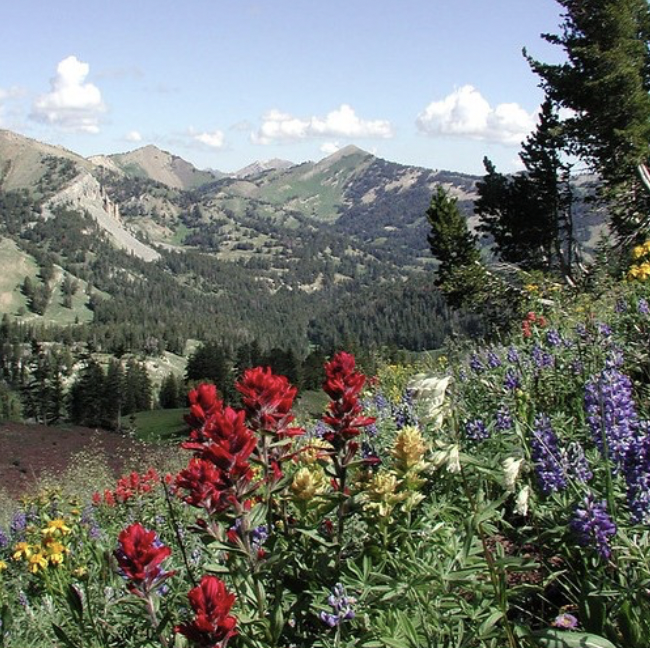
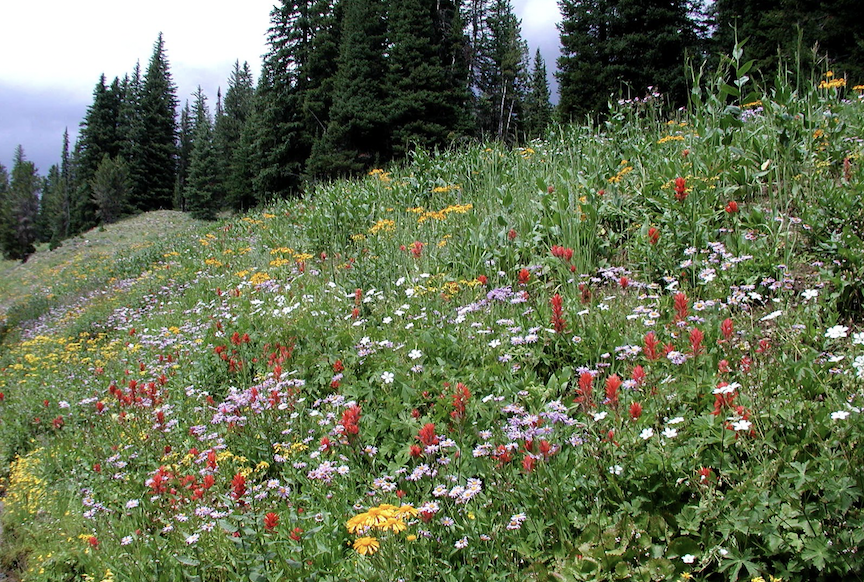
(Photo courtesy Bridger-Teton National Forest)
Lincoln County Commissioner, Mel Shumway, spoke with SVI about the ongoing discussion of the so-called Roadless Rule and the possible rescinding of that action that is now 25 years old. Shumway was part of a commissioner letter which was sent to the federal level as states with large forests in rural areas discuss the option of being able to create more roads for access and industry.
“The Lincoln County Commission put in a letter of support for Alternative B,” he said. “Removing the roadless rule would allow forest leaders to decide where and when to reduce wildfire risk, which would include road building; but it doesn’t commit to a number of miles. Currently, the Bridger-Teton has about 1,500 miles of roads mapped in the official motor vehicle use map. There’s about 24,000 acres of inventoried roadless rule. What does this mean for the Bridger-Teton?. The 3.2 million acres of roadless land in the forest includes roadless areas and there’s really no published analysis that quantifies how many miles could be built. The only concrete information is, this removes the legal barrier to such roads and the actual mileage would depend on future local planning, funding and environmental reviews and outcomes.”
RELATED: RADIO INTERVIEW WITH MEL SHUMWAY –
Shumway emphasized that even in the event of the rescinding of the rule, local leaders would still need to go through the planning process.
“It still has to go through all the planning, all the environmental review and everything,” he continued. “It doesn’t mean that dirt’s gonna be flying. It just means it gives more local control to our local ranger districts. If there is a need for a road to go in for logging, habitat management, wildlife management [or] water projects, they are allowed to do that. It still has to go through all the reviews.”
Three alternatives to the current rule are on the table as Shumway explained the differences.
“Alternative 1 was [to take] no action and leave everything as-is according to the 2001 roadless rule,” he said. “Alternative 2 is rescinding the rule in its entirety. It eliminates nationwide prohibitions on road construction and timber harvests. It continues management by applicable land management and management plans. This rolls it to our local district to use at our local level to go through the planning process rather than just a broad stroke saying no you can’t. Alternative 3 was to tighten things up even more and we didn’t want that. We just need to have access to our forest for management. Wildfire risk is still a huge concern in Lincoln County. We just want to have all the tools in the tool box available to us.”
Shumway also pointed out that this is still very much a federal issue.
“This is ongoing at the federal level, we haven’t heard anything at the federal level yet but [the letter] is just lending support to Alternative 2 which we feel is more control at our local level,” he concluded. “We have a timber industry that we’d love to see come back a little bit. We have a lot of demands on our forests. This would also lend itself to search and rescue with places that it’s so hard to get in and out in the back country.”