Wyoming Game and Fish Department monitors habitat conditions
By SVI Staff
April 26, 2026
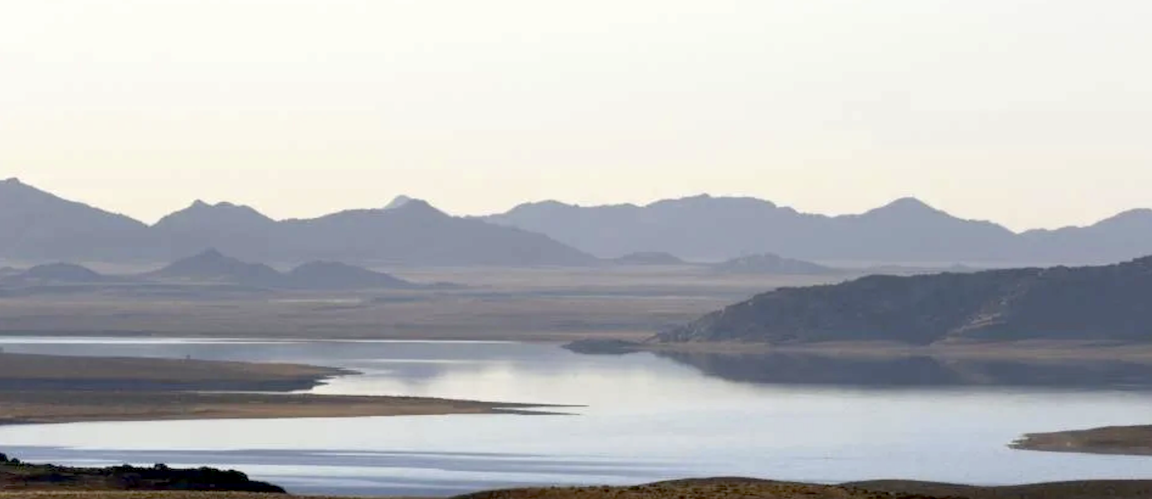
PHOTO BY WGFD.WYO.GOV
• Science-based management focuses on resilience amid record dry winter
CHEYENNE — After a winter of record-breaking low precipitation and unseasonably high temperatures, the Wyoming Game and Fish Department is closely monitoring landscape conditions across the state. As the managers of Wyoming’s wildlife, the department is monitoring how these habitat conditions will influence wildlife and is taking proactive steps to protect the resources held in the public trust.
While the current lack of precipitation is a concern, this outlook is a real-time snapshot rather than a final prediction for the year to come. Habitat conditions in Wyoming can shift rapidly in response to late-spring or summer moisture. Game and Fish management practices and habitat projects are designed to be adaptive to these changes.
Statewide outlook
The lack of persistent snowpack at almost all lower elevations in the state has led to an unseasonably early green-up in many regions. While this provides immediate forage for animals coming out of winter, the primary concern for biologists is the duration of this high-quality forage. Without supplemental spring rain, soil moisture may be depleted before the peak nutritional needs of lactating females and growing young are met. Survival of these young animals is the primary driver of population growth and sustainability.
Wetlands and riparian areas are expected to see lower-than-normal water levels. These wet sponges of the landscape are vital for biodiversity and waterfowl production. In response, the department continues to prioritize habitat resilience through projects such as beaver dam analogs, Zeedyk structures, and riparian fencing to help wildlife buffer against the impacts of extreme weather events.
Protecting these areas is central to Game and Fish priorities, which include promoting healthy aquatic habitats that support and sustain fish populations and addressing the ongoing need for combating invasive species — such as cheatgrass — to keep ranges healthy for terrestrial wildlife.
Region outlooks
Casper Region
Water supply remains the primary management variable in 2026. Pathfinder and Seminoe reservoirs currently have notably low storage levels, and significant increases from spring runoff are not anticipated given the current snowpack. While the current size of these reservoirs helps protect fish populations, the department is advising the public that many boat ramps may become inaccessible as water levels recede, potentially exposing new hazards to boaters. Biologists are closely watching streams in the North Laramie Range, such as Deer Creek and Horseshoe Creek, where low snowpack could lead to critically high water temperatures by mid-summer. Conversely, the tailwater sections of the North Platte River are expected to remain stable because they are insulated by upstream reservoir releases.
From a fisheries perspective, the region continues to offer high-quality angling opportunities despite water level fluctuations. Glendo Reservoir remains one of the premier locations for walleye, with netting surveys showing strong numbers of 3- and 4-year-old fish ranging from 14-18 inches long. The population of larger walleye over 20 inches remains consistent with past years, and the reservoir continues to support an exceptional population of channel catfish, with some exceeding 30 inches. At Seminoe Reservoir, rainbow trout numbers look favorable for the season as sampling indicates good survival of trout stocked in 2024. To assist with aquatic protections, the department will have AIS inspectors stationed at Glendo boat ramps — initially at Bennett Hills and moving to Whiskey Gulch as water levels drop — to ensure watercraft are inspected before launching.
Overall, range conditions are poor in most of the region following below-average precipitation in 2025, with the exception of the Black Hills area. Despite the dry trend, the region saw exceptional mule deer fawn production in 2024 and 2025 due to high adult overwinter survival, though game bird production for species such as sage-grouse and gray partridge declined in 2025. The region will closely monitor range conditions with the use of rapid habitat assessments, browse transects and range monitoring. Planned habitat projects for 2026 include mountain mahogany treatments, Zeedyk structure installations, cheatgrass spraying and construction of beaver dam analogs. As with any project or treatment the department undertakes, weather and current conditions will be considered and timing may be altered for the best possible outcome.
Cody Region
The region is currently experiencing “crisp and dry” landscape conditions with a spring green-up that, while occurring, is notably less robust than what has been observed in recent years. Water levels remain low in many reservoirs, and much of the available surface water is primarily concentrated in permanent rivers, streams and livestock water tanks. While a majority of the catchment water basins within the Bighorn Basin are currently dry, recent precipitation has helped improve water availability on the eastern side of the basin. Biologists said current soil moisture and precipitation levels are lower than the normal baseline, April and May — historically the region’s wettest — will be the deciding factor for the summer habitat outlook.
If current weather patterns continue, major drainages in the region including the Lower Shoshone River, North Fork of the Shoshone River, streams draining the western slope of the Bighorn Mountains and Bighorn River are likely to see lower flows with increased water temperatures for a longer duration of the summer. Lower flows and increased temperatures can create chronic stress to fish populations, although consequences at the population level may not be apparent until the following year. Should these conditions be realized, catch-and-release anglers will be asked to be thoughtful about these impacts and will be encouraged to pursue fishing opportunities at higher elevations.
Green River Region
Higher elevation snowpack is currently below average, and the lower desert country is experiencing very dry conditions. While big game survival was strong through the winter, biologists are closely monitoring the landscape, and know spring and summer moisture will be vital for range conditions. If the current dry pattern continues, there is potential for decreased fawn survival in these desert areas. A primary focus for biologists is the long-term health of winter ranges. If vital forage plants do not produce new growth this summer, animals returning to these ranges next year may find limited browse. To address this proactively, the Game and Fish is recommending doe harvest within the Carter Lease pronghorn herd; areas 98 and 100. Because these populations are currently over objective, this deliberate management action will reduce competition for forage on winter ranges that are critical to the recovery of the Wyoming Range mule deer herd.
The region’s aquatic systems are also experiencing shifts, with a projected warming trend likely to lead to earlier runoff and a muted peak flow. As river flows become more dependent on rain events rather than snowmelt, water temperatures will rise earlier and anglers will need to shift to “hoot hour” (dawn and dusk) fishing earlier in the year than normal to reduce fish stress from fishing due to warming water temperatures. Anglers can expect excellent action for rainbow trout in the 14-18-inch range from the shores of Flaming Gorge Reservoir. The department continues to encourage the harvest of small lake trout at the Gorge to reduce predation and help further recover kokanee salmon and trout populations, which are currently on the rise due to strong juvenile survival over the past two years.
Due to dire conditions in the lower Colorado River Basin, an additional release of 635,000-1 million acre-feet is expected from Flaming Gorge. This is an increase from the amount of water released in the 2022-23 water year, which was 463,000 acre-feet. Current projections for this time next year show a reservoir elevation anywhere from 5,992-6,008 feet. Conditions are subject to change as moisture conditions improve or worsen throughout the year, and especially next winter. While the drawdown will create negative impacts on the fishery, these lower water levels present a unique opportunity to improve boating access. Engineering is being completed to widen and extend boat ramps on the Wyoming side of the reservoir. The department is pursuing additional funding to assist with construction costs, ensuring easier and prolonged access for recreationists in future years.
While no changes to 2026 stocking plans are currently expected, managers continue to monitor riparian areas as declining water levels may cause a loss of bank-stabilizing vegetation and increase threats like blue-green algae blooms in shallow reservoirs.
Department management in the region continues to move forward with projects designed to enhance native species resilience. This summer, a chemical treatment project is planned for Muddy Creek south of Rawlins to remove non-native species and protect native flannelmouth sucker, bluehead sucker and roundtail chub. The current drought conditions actually improve the chances of success for this project by allowing for a more effective treatment of the waterway. Throughout these conditions, the department continues to work closely with private landowners, whose irrigated lands and water sources provide essential refuge habitat for wildlife.
Jackson Region
Habitat conditions indicate an early shift driven by below-average snowpack and unseasonably warm temperatures.
For terrestrial species, this has resulted in an early green-up. However, there is a concern the growing season might be shorter and less productive. This could lead to lower-quality forage, which might negatively affect the body condition of female and young animals heading into next winter. Big game migrations follow this early plant growth, which might shorten the time they have access to the best forage. Additionally, shrub growth on winter ranges is expected to be near record lows. To help with these conditions, managers continue long-term work focused on creating resilient habitats, including modifying fences to be wildlife-friendly, improving summer habitats and managing invasive cheatgrass.
The region anticipates an early spring runoff due to below-average winter snowfall and rapid snowpack melt, with peak snow water equivalence expected to be the lowest on record for Teton County. Runoff is expected to occur 3-4 weeks earlier, between late-May and early-June.
For aquatic habitats, while lake and reservoir levels in the Upper Snake River Basin are currently high, which may allow for normal releases from Jackson Lake Dam, the water budget is unfavorable for sustaining late-season flows in non-regulated waterways. Tributaries are anticipated to reach base flows approximately 3-4 weeks earlier than average. Jackson Lake and Palisades reservoirs are projected to fill or nearly fill; however, their capacity and subsequent release timing will depend heavily on summer temperatures and precipitation.
The diminished runoff will likely prevent the inundation of floodplains and riparian areas this spring, potentially decreasing habitat quality and connectivity. Low summer flows combined with high temperatures are expected to stress fisheries, necessitating caution from anglers during the late-summer. Additionally, insect emergence may occur up to three weeks ahead of schedule. Biologists will continue long-term efforts to enhance stream and riparian habitats, aiming to promote resilience in local fish populations. At present, the region is maintaining its current stocking plans, though managers will consider curtailing stocking in some locations later if drought conditions persist. Late-spring and early-summer moisture will be a critical factor in determining late-season stream health.
Lander Region
The region experienced unseasonably mild conditions this winter, with average temperatures from November-March hovering 10-15 degrees above the long-term median. While the lack of continuous snow cover allowed big game to move easily and access forage throughout the winter months, the region is now transitioning into a dry spring. The snowpack in the Wind River Basin and the Sweetwater Basin are currently 59% and 38% of normal, respectively, and precipitation in the foothills remains extremely low. An earlier spring runoff pulse is expected in the region this year, which could lead to lower stream flows and higher water temperatures by mid-summer. Department biologists are preparing for a potential reduction in forage production for grasses, forbs and shrubs. Because water availability in springs, seeps and wet meadows is expected to be low, the department is closely monitoring these habitats, noting that while some species may delay reproduction until conditions are more optimal, the landscape remains resilient to natural variability. Regardless, managers are making big game recommendations to manage herds towards their objectives with consideration of potential poorer habitat quality this spring, summer and on winter ranges for next year. This includes some increased doe/fawn antelope harvest, removal of antler point restrictions for deer and continued liberal seasons for elk.
In response to the current water levels, the department is making proactive adjustments to its fisheries management. Due to low water, Antelope Springs Reservoir and Burlington Reservoir will not be stocked with rainbow trout this year. These catchable-sized trout are typically stocked annually, but current conditions would jeopardize their survival. By not stocking, the department is ensuring these resources are used where they have the best chance to thrive. While irrigation demands are expected to lower water levels in reservoirs like Boysen later this summer, current management practices are designed to anticipate these shifts.
Some aquatic habitats remain a highlight, particularly Boysen Reservoir, where walleye populations are currently at exceptional levels, with fish frequently measuring in the 14-20-inch range. Additionally, the Little Popo Agie River continues to support outstanding trout numbers, with some reaches maintaining up to 600 pounds of trout per mile. While the western mountains have received enough snowpack to buffer some effects, runoff is expected to occur significantly earlier than normal.
Laramie Region
The region is currently experiencing some of the driest conditions observed in 30 years. As of late March, snowpack was just 51% of average in the North Platte Basin and 43% in the Laramie Basin, with the South Platte Basin sitting at a critical 2%. These levels, coupled with record-setting warm winter and spring temperatures and high-wind events that have depleted soil moisture, indicate a significantly lighter and shorter runoff season. Major reservoirs including Wheatland No. 3, Grayrocks, Hawk Springs and Lake Hattie entered the winter at low levels and are not expected to fill this year, which will result in many boat ramps being unusable. Shallow Laramie Plains lakes like Twin Buttes and Meeboer also are down several feet, reducing available habitat and making fish more susceptible to temperature-related stress.
On the terrestrial side, while a premature green-up is occurring due to the heat, the lack of deep-soil moisture means key shrub species, which are vital for pronghorn and mule deer browse, will likely see minimal annual growth. The department anticipates that wildlife will become increasingly reliant on livestock stock tanks and irrigated private lands as ephemeral springs dry up. This concentration on private property increases the likelihood of damage situations, which the department is prepared to address through existing management tools, such as Type 8 elk licenses. Biologists expect that the shortened window of high-quality forage will lead to lower fawn survival and lower weaning weights this fall, as lactating females struggle to find the nutrition needed to raise young and build fat reserves for the coming winter.
In response to these conditions, the department is taking proactive management steps to protect the resource and the public’s investment. Fisheries biologists have adjusted stocking plans, eliminating or reducing trout stocking at Lake Hattie, Wheatland No. 3, Barber Lake and Elk Mountain Reservoir to avoid placing fish in waters where survival is unlikely. Biologists are also asking anglers at Wheatland No. 3 to consider harvesting their limit of walleye to help maintain the balance of the fishery as water levels drop. To improve long-term resilience, the region is moving forward with three beaver dam analog projects and a large-scale spring protection project near Medicine Bow to provide reliable water for livestock and wildlife. Additionally, following the treatment of 50,000 acres for cheatgrass in 2025, the department is planning further aerial herbicide applications at the Thorne Williams and Laramie Peak wildlife habitat management areas to ensure native vegetation has the best possible chance to recover when moisture returns.
Pinedale Region
Habitat conditions indicate lower-than-normal snowpack in the Upper Green River Basin and earlier green-up due to warm temperatures. This early, accelerated plant development raises concerns about sustained forage quality and production, potentially leading to a shorter duration of high-quality forage availability, especially if significant moisture is not received before the end of May. Fortunately, milder winter conditions resulted in lower energy costs for big game. This led to higher overwinter survival and above-average body condition for does entering late gestation, though deer populations remain below objective. Animals are already moving to higher elevations earlier than normal, which could disrupt the timing of peak forage quality.
Strategies focus on continuing proactive, long-term habitat management, including wet meadow enhancements, wildlife-friendly fencing, summer range improvements and cheatgrass control to build ecosystem resilience against drought.
Aquatically, warm temperatures caused early spring runoff in the Green River Basin, leading to above-median stream discharges despite 64% of the median snowpack. This suggests likely low, warm stream flows by mid-summer. Reservoirs should fill but may draw down significantly by late summer, resulting in warm surface water that forces fish to seek deep-water refuge. Current stocking plans are unchanged, but biologists and fish culturists will continue to monitor conditions.
Sheridan Region
The region is currently experiencing an unusually mild and dry weather cycle, characterized by record-high winter temperatures and significantly below-average snow accumulation in the Bighorn Mountains. While some areas affected by the 2024 Elk Fire have shown favorable perennial grass regrowth and strong root structures, in other parts of the region a lack of heavy snow has left last year’s vegetation standing rather than flattened. This has resulted in an accumulation of dry, standing fuel across northeast Wyoming. Coupled with the current dry conditions, the region is facing high wildfire danger earlier in the year than typical. While some plant life is greening up ahead of schedule, prairie streams and stock ponds are entering the season at unusually low levels, which may lead to dwindling flows much earlier than normal if the dry trend continues.
The mild winter has provided a boost to overwinter survival for big game, particularly for the North Bighorn mule deer herd, where survival among GPS-collared fawns has been higher than the previous three years. However, department biologists are closely monitoring the quality of summer forage. Forbs, flowering plants that provide high-density nutrition for nursing does, rely heavily on early spring soil moisture. A reduction in these plants could impact fawn survivability later this summer. Fortunately, residual grass cover from last year currently remains sufficient for ground-nesting birds like sage-grouse. Additionally, managers are watching for potential outbreaks of epizootic hemorrhagic disease — or bluetongue — that could occur in summer or early fall. In dry years, white-tailed deer and pronghorn often concentrate near muddy water sources, increasing their exposure to the midges that carry these diseases.
To support long-term habitat resilience, the department is moving forward with several active management projects. This fall, post-fire recovery treatments are scheduled for the Kerns and Amsden wildlife habitat management areas to prevent the establishment of invasive cheatgrass and ventenata. Regional staff also are conducting conifer removal projects in some parts of the region to improve native plant diversity and water availability. While fish stocking plans currently remain unchanged, biologists are monitoring stream temperatures and irrigation demands. Lower-than-normal flows can increase stress on fish populations.
To see how you can help, visit our public stewardship action list and reach out to yourregional office.