• The layoffs will take place over the next two years, beginning in January, due to competition from China. ‘It breaks my heart,’ union representative says of impacts to southwestern Wyoming families.
By Dustin Bleizeffer, WyoFile.com
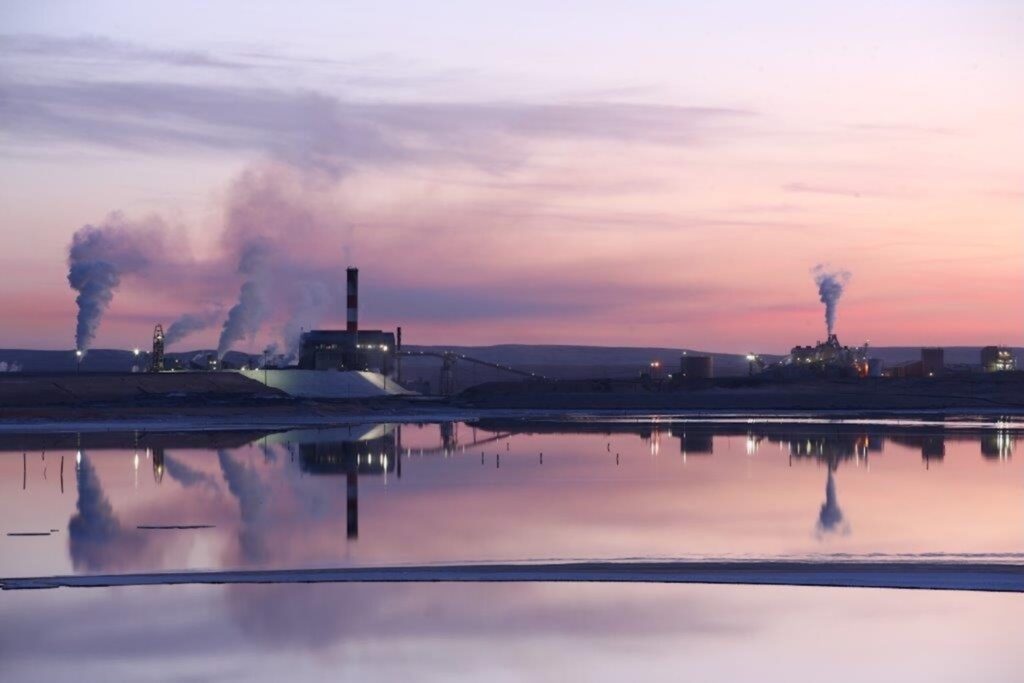
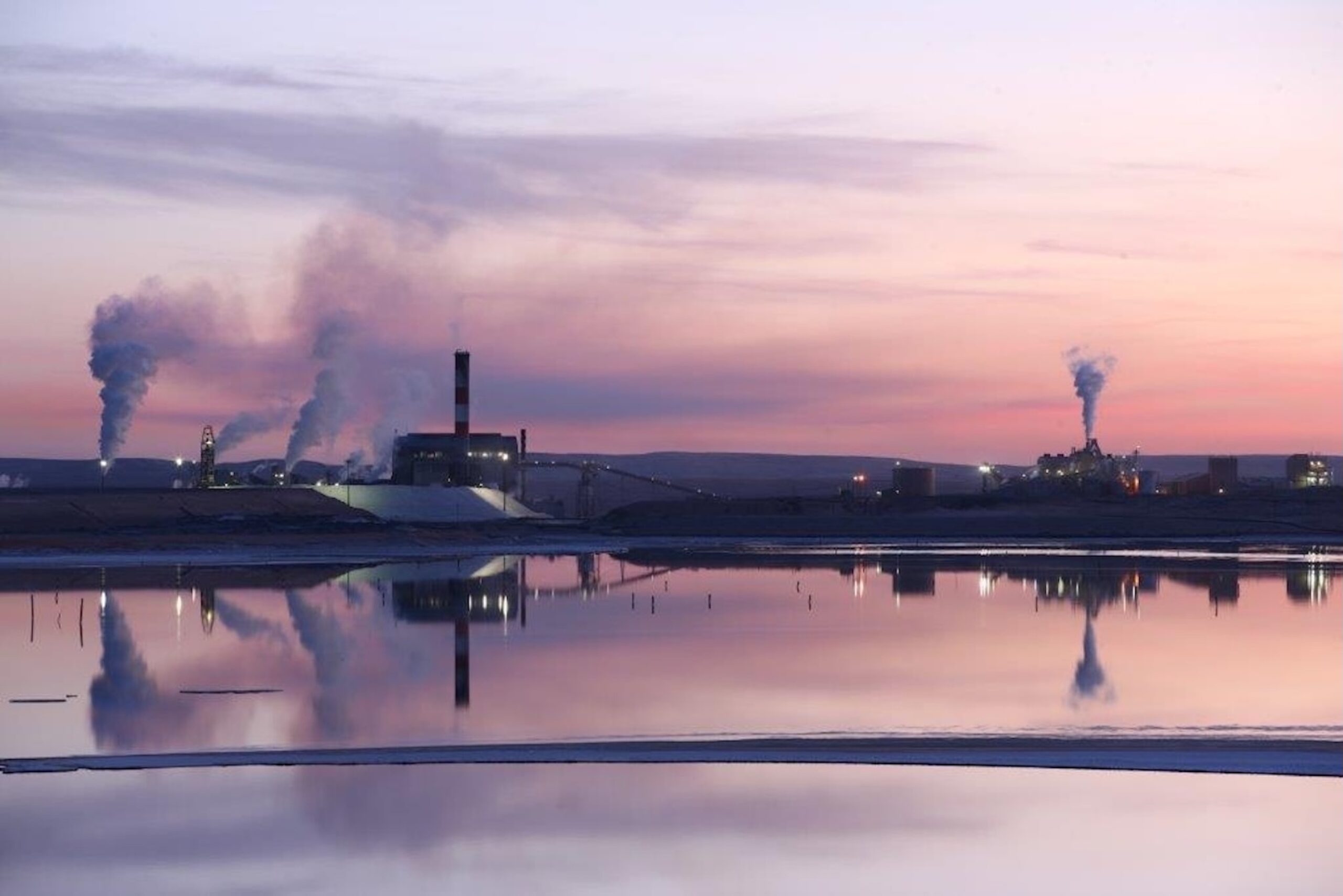
Wyoming trona miner and soda ash producer WE Soda will convert its Westvaco underground mining operation to in-situ solution recovery, a less labor-intensive drill-and-pump method that will lead to 350 job cuts over the next two years.
Layoffs will begin in January, the London-based company announced Wednesday morning.
“The [underground mining] transition will be carried out progressively over approximately the next two years,” the company stated in a press release. “This repositioning is necessary to strengthen the long-term competitiveness of the company’s Wyoming operations in response to the significant impact which low-cost Chinese soda ash exports have had on the pricing of American soda ash in export markets.”
A United Steelworkers Local 13214 union representative posted on social media that WE Soda workers in Wyoming were “blindsided” by the news, and vowed to “protect as many jobs as possible.”
Gov. Mark Gordon and Gov.-elect Eric Barlow issued a joint statement, promising a coordinated response among the Department of Workforce Services and state unemployment insurance staff, as well as Western Wyoming Community College.
“We will continue to work to do all we can to help displaced workers and their families find the resources they need and have asked Workforce Services to be available to that end,” Gordon and Barlow said. “We have also reached out to local and statewide union leaders and will continue to discuss the issues affecting their members.”
In addition to the job cuts from approximately 850 workers to 500 over the next two years, the operational transition will reduce soda ash production output by more than 1.5 million metric tons annually, “with a corresponding reduction in export sales that are no longer commercially viable,” the company said.
WE Soda CEO Alasdair Warren told WyoFile in September that the greater trona and soda ash industry in southwest Wyoming is under pressure from a flood of Chinese soda ash, requiring producers here to find “efficiencies.”
“There’s a lot of headwinds,” Warren told WyoFile. “Historically, any downturn in the industry had typically been resolved as demand picked up over 18 months. We’re now in year four, and it looks like it’s going to roll on for at least another couple of years. This is a long downturn.”
Soda ash derived from trona is the state’s largest global export commodity, reaping $1.3 billion annually, according to industry officials. Soda ash is used to make glass, myriad home products such as toothpaste, and industrial materials.
Reached by WyoFile, United Steelworkers Local 13214 President Marshal Cummings said the job cuts will devastate families, likely force many to leave and gut the economy in southwest Wyoming, where 2,500 workers earn a decent salary in the industry.
“I’m at a loss for words about how many people are going to be impacted by this in southwest Wyoming,” Cummings said, adding that his father is a trona miner and his grandfather worked in the industry. “I know what this is going to do and, honestly, it breaks my heart.”
Trona and soda ash workers have given years of their lives to the industry in Wyoming, Cummings added, and they “deserve that same level of commitment in return.”
Frustrated by national and international policies
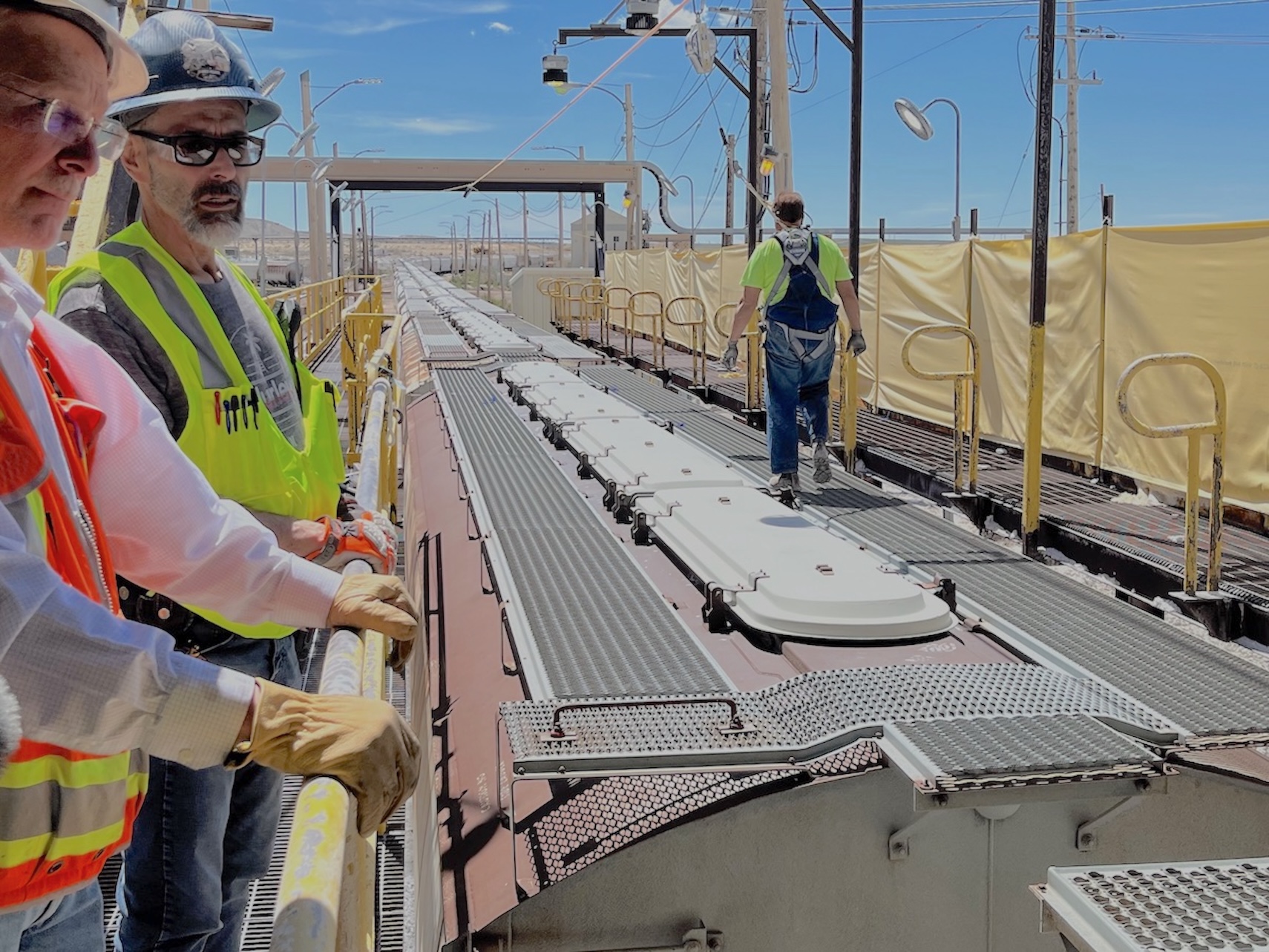
It’s frustrating, Cummings said, because he believes the company — and perhaps others — is ceding the global soda ash market to China and other nations rather than working to improve domestic policies like expensive rail freight costs, as well as international trade and tariff policies that give other nations with subpar working conditions and environmental practices the advantage.
“You’re just getting price gouged by the railroad,” Cummings said. “Let me go to the [U.S.] Surface Transportation Board and try to get that rate reduced. If Chinese soda ash and the Mongolian mine are impacting [the global market], let’s find a way to level the playing field.
“I mean, how many times have you heard that ‘China’s gonna take over the world?’” Cummings continued. “We’re not interested in China being the superpower. Let us do everything we can to make them play on a level playing field, because in China you don’t take care of your workers. In Mongolia, you don’t take care of your workers.”
Closer to home, southwest economic development officials and state lawmakers have criticized electric utility giant Rocky Mountain Power for not supplying more power to the trona and soda ash operations when they had an opportunity to expand their operations. “At this point, the future of Wyoming is in jeopardy because we are unable to grow,” Cheyenne Republican Sen. Tara Nethercott said during an August meeting of the Wyoming Legislature’s Minerals, Business and Economic Development Committee. “Our current legacy industries are not able to meet their needs, let alone look to the future.”
Warren, of WE Soda, acknowledged the domestic policy and foreign trade issues in his September interview with WyoFile.
“This is a federal issue,” Warren said. “Does the U.S. want to see the supply chain for soda ash controlled by the Chinese in the same way that it has so many others, when [China] sits on maybe 5% of the world’s trona resource? It cannot be that that’s what the United States wants. It can’t be good for U.S. industry jobs, anything.”
Though WE Soda’s transition from underground to drill-and-pump solution mining is more cost efficient, the functional reduction in soda ash production will coincide with a strategy to “reduce its sales to export markets and focus on the United States, Canada and Mexico for soda ash and on its specialty products customers globally,” it said.
“Today is a very difficult day for our colleagues in Wyoming, their families and the community in Sweetwater County,” Warren said in a prepared statement Wednesday. “The response [to market changes] requires structural change if we are to preserve our Wyoming soda ash operations for future generations.”
Gordon and Barlow, in their joint statement, said they will push for state and federal action to address pressures on the industry, “to strengthen Wyoming’s competitiveness and protect national security. We are in discussions with the federal government, producers, utilities, workforce services, transportation stakeholders and others to look at all options for strengthening the market for this critical material at the same time as we are working to mobilize resources for the families and communities that will feel the brunt of these decisions.”
The Wyoming Energy Authority last month recommended a $13 million Energy Dominance fund grant to WE Soda to connect a natural gas pipeline to its Westvaco operations. The company said it needs to shift from coal to natural gas to fuel its boilers used to process trona to soda ash because its coal supplier is ending its contract. The supplier announced it will close the nearby Kemmerer coal mine in 2029, spurring Wyoming’s soda ash industry to seek a new fuel source.
Gordon had not yet made a decision on whether to approve the grant, his office told WyoFile.
WE Soda said it “will offer colleagues alternative roles in the business” to minimize job losses.
WyoFile is an independent nonprofit news organization focused on Wyoming people, places and policy.
The above story may be used ONLY by members of the Wyoming News Exchange or with the express consent of the newspaper of its origin.